

Public
The dynamics of desire Understanding the psychology behind gambling behavior
The dynamics of desire Understanding the psychology behind gambling behavior
The Allure of Gambling
The world of gambling is often painted in bright colors, with flashing lights and enticing sounds that draw players in. This allure is not merely aesthetic; it taps into fundamental psychological desires such as excitement, risk-taking, and the hope of a substantial reward. For many, the thrill of the game is an escape from everyday life, providing a rush that can momentarily alleviate stress or boredom. You can explore more about this captivating experience at https://woospin-australia.co/. The desire to win is palpable, igniting a primal instinct that fuels engagement in various gambling activities.
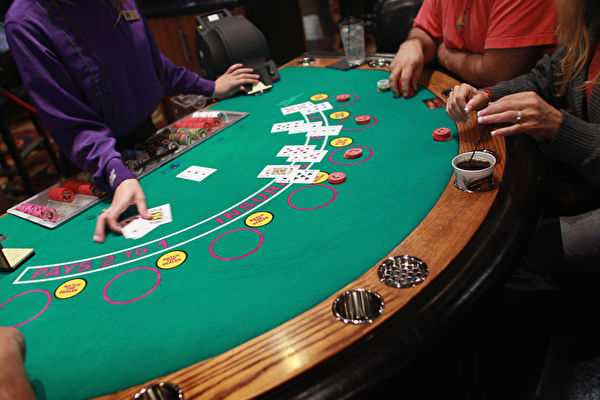
This attraction also extends to the social aspects of gambling. Many individuals enjoy the communal experience of playing in a casino or engaging in online platforms where they can share their successes and failures with fellow players. This social dynamic can enhance the enjoyment of gambling, making it feel less like a solitary activity and more like a shared adventure. The camaraderie found in these environments contributes to a strong sense of belonging, making it even harder for individuals to resist the call of the gaming table.
The psychological dynamics of desire are complex. Gamblers often exhibit a phenomenon known as “loss chasing,” where they continue to play in an attempt to recover losses. This behavior can be fueled by a misguided belief in luck or the idea that they are “due” for a win. Understanding this psychological underpinning is essential to grasp the depth of gambling behavior and why it continues to captivate so many individuals worldwide.
Behavioral Patterns in Gambling
Gambling behavior can often be categorized into distinct patterns that reveal underlying psychological mechanisms. For instance, some gamblers exhibit thrill-seeking tendencies, engaging in high-stakes bets to amplify their excitement. This behavior is often linked to personality traits such as impulsivity and a desire for immediate gratification, which can lead to compulsive gambling. Understanding these patterns can help identify those at risk and provide a framework for intervention.
Another prevalent pattern is the concept of “near misses,” which occur when a player almost wins but falls short. This phenomenon can create a false sense of hope, encouraging players to continue gambling in the belief that they are close to a significant win. The brain responds to these near misses with a dopamine release, similar to actual wins, reinforcing the behavior and leading to repeated gambling attempts. Such mechanisms highlight the intricate relationship between psychology and gambling, indicating that the thrill often outweighs the risk.
Moreover, situational factors such as the environment play a crucial role in influencing gambling behavior. For example, casinos are designed to keep players engaged for longer periods through strategic lighting, sound, and layout. These elements can create an immersive experience that heightens desire, making it difficult for individuals to resist the urge to gamble. Recognizing these behavioral patterns is essential for both players and those seeking to understand the psychological motivations behind gambling.
The Role of Emotion in Gambling
Emotion plays a significant role in gambling behavior, influencing decision-making and risk assessment. Players often enter the gambling arena with high hopes and anticipation, fueled by positive emotions. However, the emotional rollercoaster that ensues can lead to impulsive decisions, as feelings of euphoria during wins can cloud judgment. Conversely, losses can evoke frustration and despair, prompting players to make irrational choices in an attempt to recover what they’ve lost.
This emotional volatility can also contribute to the development of gambling addiction. When individuals rely on gambling as a coping mechanism for negative emotions, they may find themselves trapped in a cycle of behavior that is hard to break. The initial thrill may soon give way to a compulsive need to gamble, as players seek the same emotional highs that initially attracted them to the activity. This pattern demonstrates the deep-rooted connections between emotion and gambling behavior.
Furthermore, the interplay between emotion and gambling is often exacerbated in online environments. The anonymity of online gambling can create a sense of detachment, allowing players to engage in riskier behavior without the immediate social repercussions faced in physical casinos. This emotional disconnection can further entrench unhealthy gambling habits, making it imperative to explore the psychological aspects of gambling within the digital landscape.
Understanding Gambling Addiction
Gambling addiction is a serious psychological disorder that arises from the complex interplay of desire, emotion, and behavior. Many individuals initially engage in gambling for enjoyment, but the potential for addiction becomes evident as the activity shifts from a leisure pursuit to a compulsion. The thrill of winning can quickly escalate into a relentless quest for more, leading to detrimental effects on personal relationships, financial stability, and mental health.
One of the critical aspects of understanding gambling addiction is recognizing its symptoms, which can include preoccupation with gambling, increased tolerance, and withdrawal symptoms when not gambling. These behaviors indicate a shift in the brain’s reward system, where the pursuit of gambling becomes a primary focus at the expense of other life activities. This can create a vicious cycle of behavior that is challenging to escape without professional help.
Moreover, societal perceptions of gambling can complicate the stigma surrounding addiction. While some view gambling as a harmless pastime, others may see it as a vice. This dichotomy can hinder individuals from seeking help, as they may fear judgment or lack understanding from their peers. Breaking this stigma is crucial for fostering an environment where those struggling with gambling addiction can access the support and resources they need to regain control over their lives.
Woospin: A Modern Gaming Experience
For those intrigued by the dynamics of gambling, Woospin Australia offers a modern platform designed with user experience in mind. Catering to Australian players, the site boasts an impressive collection of over 2,600 games, including an array of popular slots and live dealer options. The interface is user-friendly, making navigation simple and intuitive for both new and experienced players. This accessibility is crucial for ensuring that players can enjoy their gaming experience without unnecessary complications.
Woospin also emphasizes player safety and security. With robust customer support and a commitment to responsible gaming, players can engage in their favorite games with peace of mind. This focus on creating a secure environment is vital, especially in light of the potential psychological pitfalls associated with gambling. By offering resources and information on responsible play, Woospin empowers its users to enjoy gaming while being mindful of their behavior.
In addition to its impressive game selection and commitment to player safety, Woospin enhances the overall experience with attractive bonuses, including a welcome offer that provides a 100% match up to A$1,500 along with 150 free spins. These incentives not only attract new players but also encourage ongoing engagement, highlighting the delicate balance between desire and responsible gaming. By understanding the dynamics of gambling, players can make informed choices, enhancing their enjoyment while remaining aware of the psychological aspects at play.
